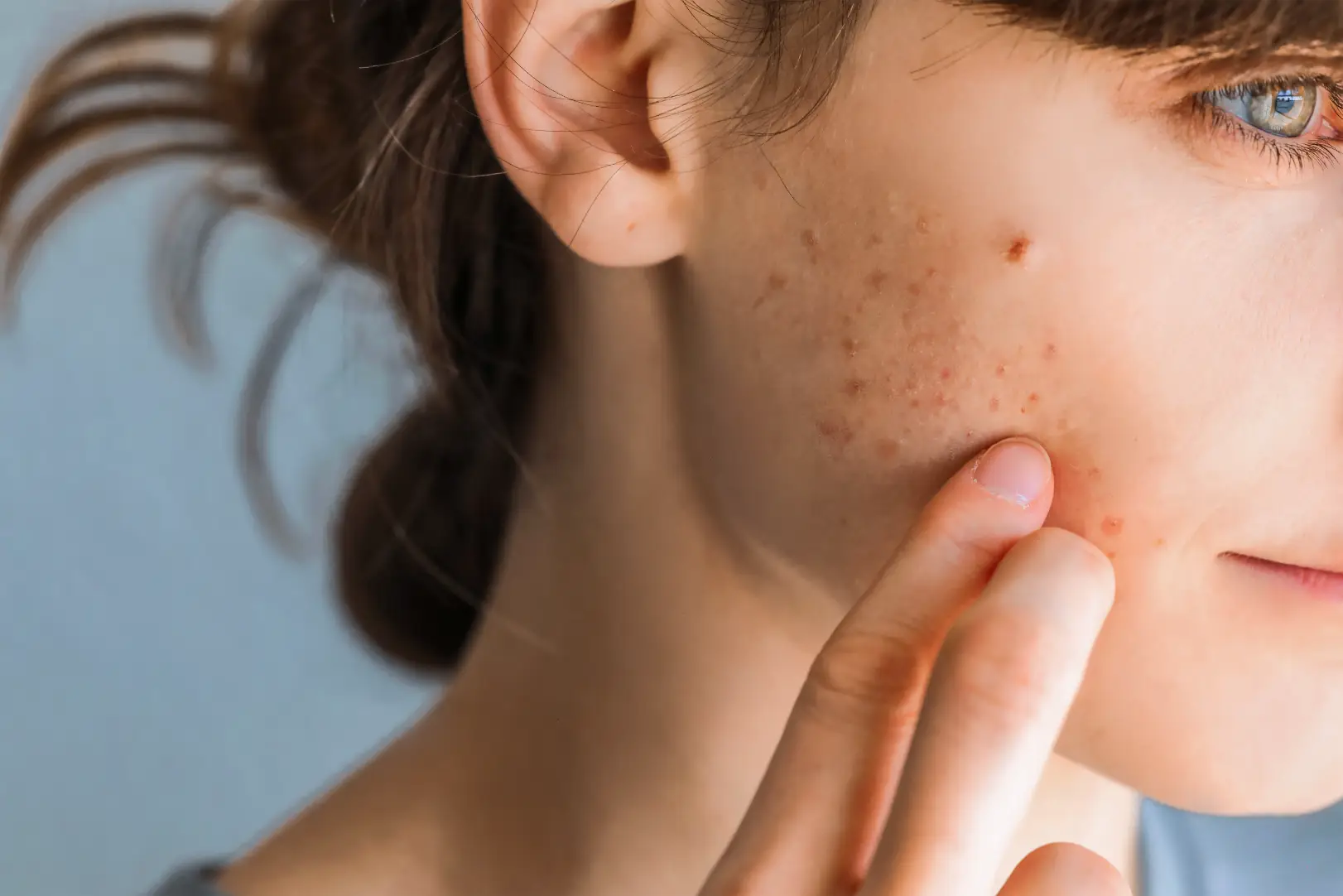
Acne can fade, but the marks it leaves behind may remain long after breakouts are under control. Some patients notice shallow depressions across the cheeks, while others are left with uneven texture, enlarged-looking pores, or deeper scars that catch the light from certain angles. These changes can make otherwise healthy skin appear rough or irregular, even with a consistent skincare routine.
Professional laser treatments offer a gradual way to improve acne scars by encouraging skin renewal and supporting new collagen beneath the surface. Rather than covering scars or creating a temporary smoothing effect, laser skin resurfacing works with the skin’s natural repair process. Improvements build over time as damaged surface cells are replaced and the tissue beneath the scars becomes stronger and more organized.
No treatment can promise completely flawless skin, and different scar types require different strategies. Still, a personalized laser plan may soften visible texture, make scars less noticeable, and create a smoother overall complexion.
Continue reading to learn how laser resurfacing works, why progress continues after each appointment, and what realistic acne scar improvement looks like.
What Is Laser Skin Resurfacing?
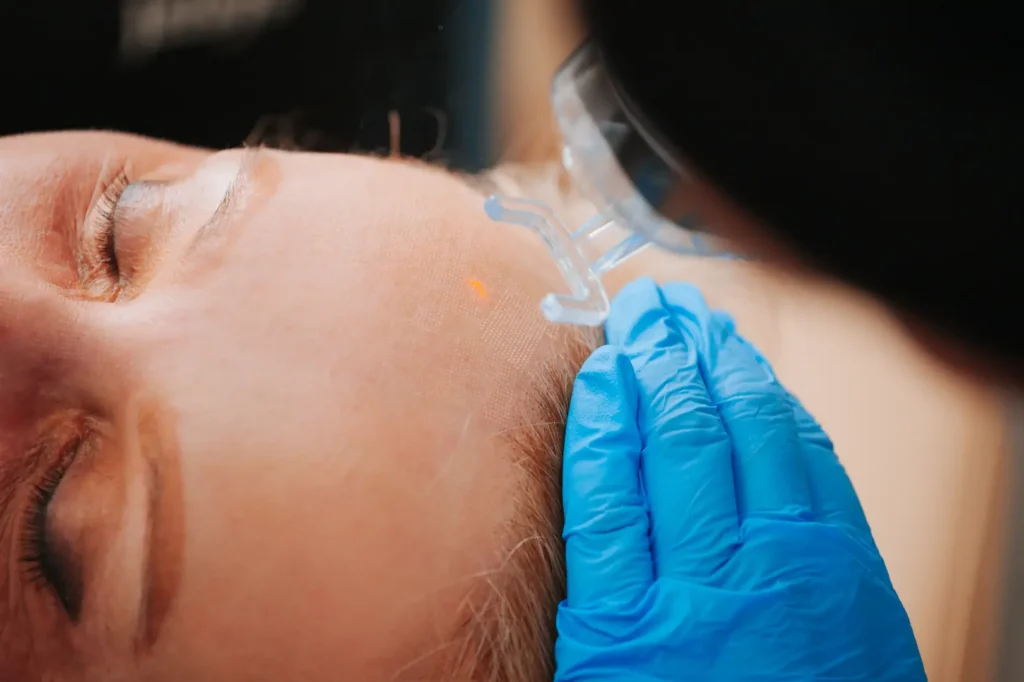
Laser skin resurfacing is a professional treatment that uses controlled light energy to renew damaged skin and stimulate collagen production.
Depending on the device and treatment settings, laser energy may target the skin’s surface, deeper layers, or both. Fractional technology treats tiny columns within the skin while leaving surrounding areas intact. This approach encourages repair while typically offering a more manageable recovery than fully ablative resurfacing.
Laser resurfacing may be used to improve:
- Acne scars
- Uneven texture
- Enlarged-looking pores
- Fine lines
- Sun damage
- Irregular pigmentation
- Dull or rough skin
Clear + Brilliant is one example of a gentle fractional laser platform designed to support cumulative improvements in tone, texture, and radiance. It is often chosen by patients who want progressive renewal without the extended redness and peeling associated with more aggressive procedures.
However, not every acne scar responds to the same treatment intensity. The right plan depends on scar depth, skin type, current acne activity, pigmentation risk, and the amount of downtime a patient can manage.
How Laser Resurfacing Improves Acne Scars Over Time
Acne scars form beneath the visible surface of the skin, so meaningful improvement usually requires more than simple exfoliation.
Laser resurfacing creates a controlled healing response that gradually changes how scarred skin looks and feels. Each session can build upon the last, helping the skin become smoother, more even, and less shadowed as collagen remodeling continues.
1. It Renews the Surface
Some scars are more noticeable because dead skin cells and irregular texture accumulate around them.
Fractional skin resurfacing helps remove damaged surface cells in a controlled way. As the skin renews itself, the outer layer may become smoother and more reflective. This can make shallow scars and rough patches appear less prominent.
Surface renewal may help improve:
- Dullness
- Uneven texture
- Mild discoloration
- Rough areas around scars
- Enlarged-looking pores
This change does not happen all at once. The skin needs time to shed treated cells and replace them with healthier ones. Patients often notice an initial glow first, followed by more gradual textural improvement over the following weeks.
2. It Builds New Collagen
Collagen loss is one of the main reasons acne scars create depressions. When inflammation damages the deeper skin, the body may not replace collagen evenly during healing. The result can be an indentation that sits below the surrounding surface.
A laser for acne scars creates controlled microscopic treatment zones that signal the skin to begin repairing itself. As part of that response, fibroblasts produce new collagen and reorganize existing fibers. This process can help support the base of a scar from within. Over time, some depressed scars may appear shallower, softer, and less sharply defined.
Collagen remodeling continues after the visible recovery period ends, which is why results often develop for weeks or months following treatment.
3. It Softens Indented Scars
Not all depressions look the same. Atrophic acne scars are generally grouped into several patterns:
- Rolling scars have broad, wave-like depressions.
- Boxcar scars have wider bases and more defined edges.
- Ice pick scars are narrow but extend more deeply into the skin.
Laser resurfacing may be especially helpful for certain rolling and shallow boxcar scars because collagen stimulation can improve their underlying support. Deeper ice pick scars may require another procedure or a combination plan because laser energy alone may not fully reach or release the deepest portion.
Patients with indented scars should expect a customized strategy rather than a single treatment used at the same settings across the entire face. Different areas may require different intensities, and some scars may respond faster than others.
4. It Blends Textured Scarring
A scar becomes more noticeable when its borders create contrast with the surrounding skin. Laser treatment does not simply target the center of each scar. Fractional resurfacing can improve the broader area, helping the transitions between scarred and unaffected skin appear more gradual.
As the surface smooths and collagen develops, textured scarring may look less uneven under natural light, makeup, or photography. The goal is often not to erase every mark but to reduce the shadows and irregularities that make scars stand out. This blending effect can be especially valuable for patients with multiple scars spread across the cheeks, temples, or forehead.
5. It Refines Pore Appearance
Acne-prone skin often has more than one concern. Alongside scarring, patients may notice oiliness, congestion, or pores that appear stretched. Although pores cannot be removed, improving the texture and firmness of the surrounding skin may make them look smaller and less distracting.
Fractional laser treatment supports smoother skin turnover and collagen renewal. As the surface becomes more refined, pores may appear less obvious, helping the complexion look more consistent overall.
This can be an important part of acne scar treatment in Greenwich for patients who are bothered by a combination of scars, roughness, and visible pores rather than one isolated concern.
6. It Can Improve Post-Acne Discoloration
Some marks that patients call scars are actually changes in color rather than permanent textural damage. Post-inflammatory hyperpigmentation may leave brown or gray spots after a breakout. Post-inflammatory erythema can appear pink or red. These marks may fade with time, but they sometimes persist for months.
Certain laser treatments can support more even pigmentation while resurfacing the skin. However, treatment selection must be careful because excessive heat or aggressive settings may worsen discoloration in some skin tones. A professional assessment helps distinguish between:
- True indented scars
- Brown post-acne marks
- Red vascular marks
- Raised scars
- Active breakouts
These concerns may look similar from a distance but often require different approaches.
7. It Creates Controlled Improvement
Aggressive treatment is not always the smartest treatment. Patients often assume that stronger settings will create faster or better results. In reality, the safest and most effective plan is based on the skin’s tolerance, pigmentation risk, scar type, and recovery capacity.
Gentle fractional platforms can provide cumulative improvements with less downtime, while deeper scars may benefit from more intensive technology. Some patients begin with a conservative approach and adjust treatment strength as their skin responds. This controlled progression supports skin renewal without overwhelming the barrier or creating unnecessary inflammation.
8. It Works Best in a Series
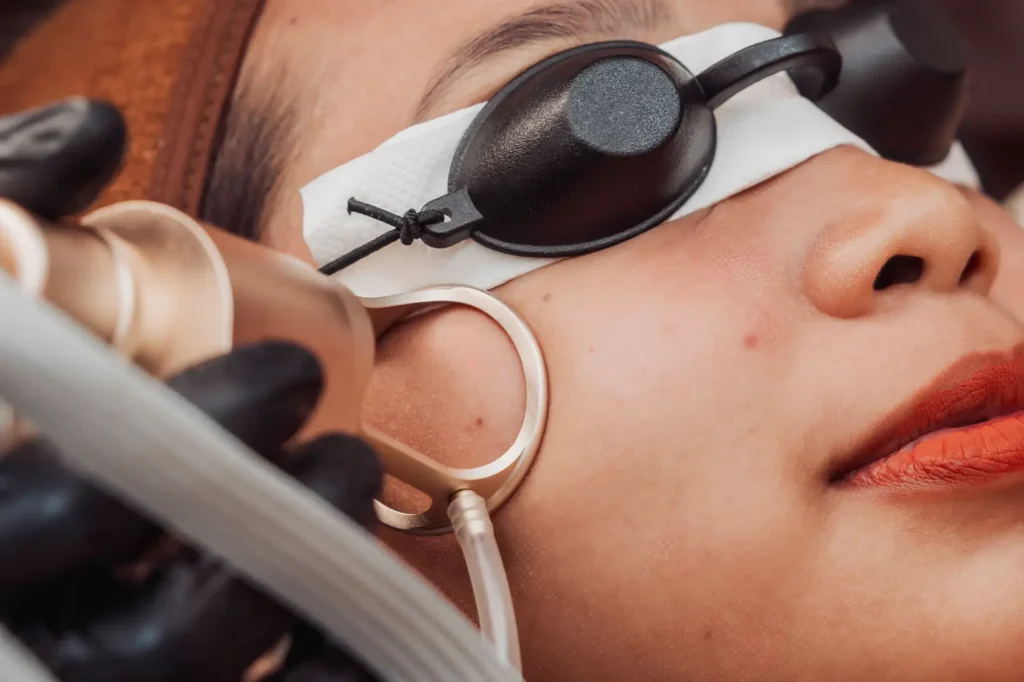
Acne scars usually develop over months or years, so improving them takes time. A single session may brighten the complexion and create subtle smoothing, but most patients need multiple treatments for meaningful scar correction.
Clear + Brilliant treatments, for example, are often planned as a series because improvements accumulate with each session. The recommended number depends on:
- Scar depth
- Scar type
- Skin tone
- Treatment intensity
- Healing response
- Desired level of improvement
Give Your Skin Time to Rebuild
Acne scars are created during a complex healing process, and improving them requires another carefully controlled period of renewal. Professional laser treatments can soften irregular texture, support collagen development, refine pores, and make indented scars appear less noticeable over time. The best results usually come from a series of treatments selected according to scar type, skin tone, and individual recovery needs.
At Lumiere Laser in Greenwich, CT, acne scar care begins with a detailed skin assessment and a plan designed around the individual patient. Whether your concerns involve shallow depressions, widespread textured scarring, or lingering discoloration, personalized laser resurfacing can help create a smoother and more balanced complexion while respecting the health of your skin.
Contact us today to book your appointment!