Some redness disappears almost as quickly as it arrives. Your cheeks flush after a workout, a hot shower, or a glass of wine, then gradually return to normal. But when that redness starts lingering, becoming more noticeable, or bringing visible vessels along with it, your skin may be telling you something more.
For many patients, rosacea is part of that story. Others may be dealing with sun-related vascular changes, persistent flushing, or visible capillaries. Skincare can soothe the surface, but it can’t always address the vessels contributing to redness underneath.
That’s where professional laser and light-based treatments may help. Continue reading to learn what’s behind a persistently red skin face and how the right treatment can help restore a calmer-looking complexion.
What Are Laser Treatments?
Laser and light-based treatments use controlled energy to target specific concerns within the skin while limiting unnecessary effects on surrounding tissue.
Different devices are designed for different targets. Some primarily address pigment and texture, while others can target the vascular component behind facial redness. This distinction matters because redness isn’t always caused by the same thing.
For vascular concerns, the goal is often to deliver light energy that is absorbed by hemoglobin within visible blood vessels. The targeted vessels heat and gradually become less noticeable as the body clears them. Depending on the technology and concern, treatment may help with persistent redness, visible vessels, or sun-related discoloration.
Patients researching a facial redness laser may also encounter IPL, or intense pulsed light. Technically, IPL isn’t a laser because it delivers multiple wavelengths of light rather than one concentrated wavelength. However, it can still be used as a light-based treatment for certain vascular and pigment concerns.
Laser and light treatments aren’t universal solutions for every red complexion. Identifying what’s causing the redness first helps determine whether energy-based treatment belongs in the plan at all.
Why Your Face Looks Red and What Lasers Can Do
Facial redness can come from blood vessels, inflammation, environmental damage, or a combination of factors, so effective treatment begins by understanding the source.
1. Rosacea Can Keep Redness Hanging Around
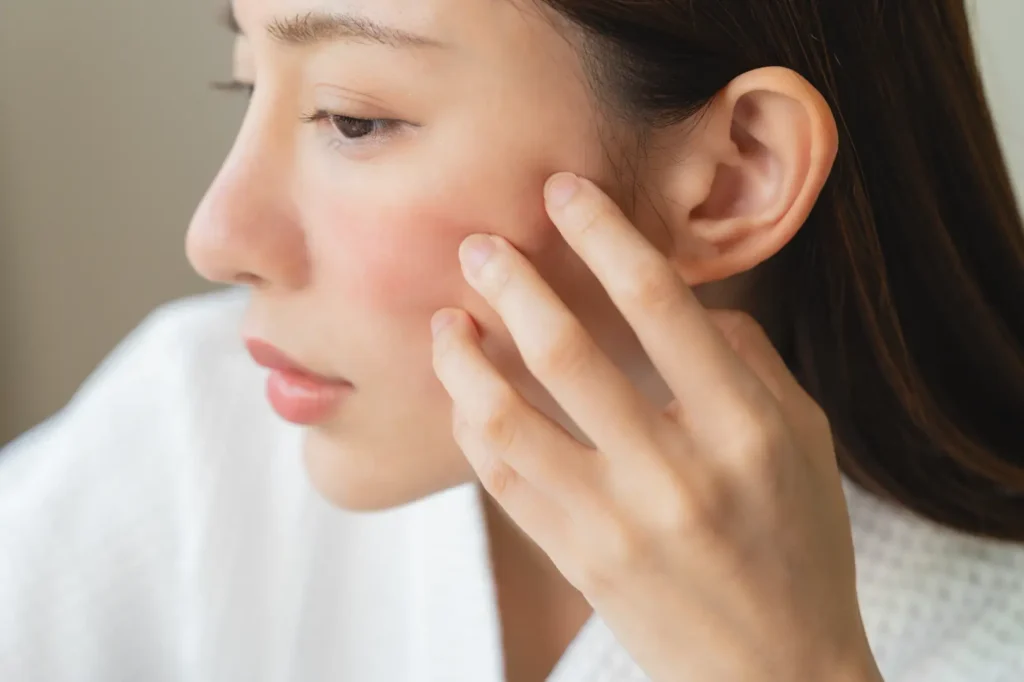
Rosacea is a chronic inflammatory skin condition that commonly affects the central face, particularly the cheeks, nose, forehead, and chin. Some patients experience occasional flushing at first. Over time, that redness may become increasingly persistent.
Rosacea can look different from person to person. Some patients mainly experience flushing and visible vessels. Others develop bumps or pimples that can resemble acne. Burning, sensitivity, dryness, and irritation can also accompany the condition.
There isn’t one single cause of rosacea. Genetics, immune responses, vascular changes, and environmental influences may all play a role. Because the condition is chronic, treatment typically focuses on controlling symptoms rather than promising a permanent cure.
For patients considering rosacea treatment in Greenwich, a professional assessment is especially useful. If persistent vascular redness is a major component, laser or light-based treatment may be incorporated into a broader management strategy.
Treating the visible vessels doesn’t remove the underlying tendency toward rosacea. However, it may reduce their appearance and help the complexion look more even.
2. Broken Capillaries Can Create a Web of Redness
Sometimes the problem isn’t a general blush. It’s tiny red or purple lines that refuse to disappear. These broken capillaries, often called telangiectasias, are small visible blood vessels close to the skin’s surface. They commonly appear around the nose and cheeks. Genetics, chronic sun exposure, rosacea, aging, and repeated vessel dilation can contribute to their appearance.
Once these vessels become visible, topical skincare generally can’t make them physically disappear. Vascular-focused light or laser energy offers a different approach. Rather than attempting to cover the redness or soothe it temporarily, treatment can target hemoglobin inside the vessel. The absorbed energy heats the targeted structure, and the vessel may gradually fade.
Several sessions can sometimes be needed. Vessel size, depth, location, skin type, and the extent of the redness all influence the treatment plan. This is why the word “laser” alone doesn’t tell you enough. The device, wavelength, settings, and skin concern need to match.
3. Flushing Is Your Blood Vessels Reacting
Have you ever felt your cheeks suddenly grow hot after spicy food, embarrassment, exercise, or stepping into a warm room? Flushing happens when facial blood vessels dilate and more blood flows near the surface of the skin. For most people, the color fades relatively quickly. Patients with rosacea or vascular sensitivity may experience stronger or more persistent episodes.
Common triggers can include:
- Heat and temperature changes
- Sun exposure
- Alcohol
- Spicy foods
- Hot beverages
- Exercise
- Stress and strong emotions
- Certain skincare products
A flushing treatment isn’t necessarily about stopping your face from ever becoming pink again. Some vascular response is completely normal. Instead, treatment may focus on reducing persistent background redness or visible vessels while patients learn which triggers tend to provoke their individual skin.
That combination matters. Treating vessels while repeatedly exposing the skin to known triggers may make long-term redness management more difficult.
4. Sun Damage Can Add Red and Brown at the Same Time
Sun damage isn’t limited to dark spots. Repeated ultraviolet exposure can affect pigment, collagen, and small blood vessels.
That means a sun-damaged complexion may show several concerns at once, including brown discoloration, diffuse redness, roughness, and visible vessels. This is one reason patients sometimes struggle to describe what’s bothering them. Their complexion doesn’t simply look “red” or “pigmented.” It looks uneven overall.
Light-based treatments can be particularly useful when vascular redness and unwanted pigmentation coexist. IPL for redness, for example, may be considered when the patient’s skin type and concerns make IPL appropriate.
IPL uses broad-spectrum light that can target certain colors within the skin. Depending on the settings used, this may include red from vascular structures and brown from excess pigment. That versatility can be useful, but candidacy matters. Recent tanning, skin tone, medications, and the nature of the pigmentation should all be evaluated before treatment.
5. Heat Can Make Vascular Redness Look Worse
Your environment can change how noticeable redness appears. Heat causes blood vessels to dilate, which explains why a warm room, sauna, hot shower, or summer afternoon can leave some faces dramatically flushed.
If those vessels are already reactive because of rosacea, the effect can be even more noticeable. Laser treatment doesn’t make someone immune to heat. Instead, treatment may help reduce visible vascular structures that contribute to persistent redness between flushing episodes.
Patients who recognize heat as a trigger can also make practical changes. Lukewarm showers, cooling down gradually after exercise, and avoiding excessive heat exposure may help reduce episodes. This is where good treatment becomes more than a procedure. Understanding your skin’s behavior can make daily redness easier to manage.
6. Irritated Skin Can Look Red for an Entirely Different Reason
Not every red face needs a laser. Over-exfoliation, aggressive retinoid use, fragrance, allergic reactions, eczema, acne inflammation, and a damaged skin barrier can all create redness. Applying vascular treatment without identifying the underlying issue may miss the actual problem.
Barrier-related redness often comes with clues such as tightness, stinging, flaking, or sudden sensitivity to products that previously felt comfortable. In these situations, simplifying skincare and addressing inflammation may take priority. This is particularly important for patients with rosacea because their skin may already be sensitive.
More treatment isn’t automatically better. Sometimes the smartest first move is calming the skin before introducing an energy-based procedure.
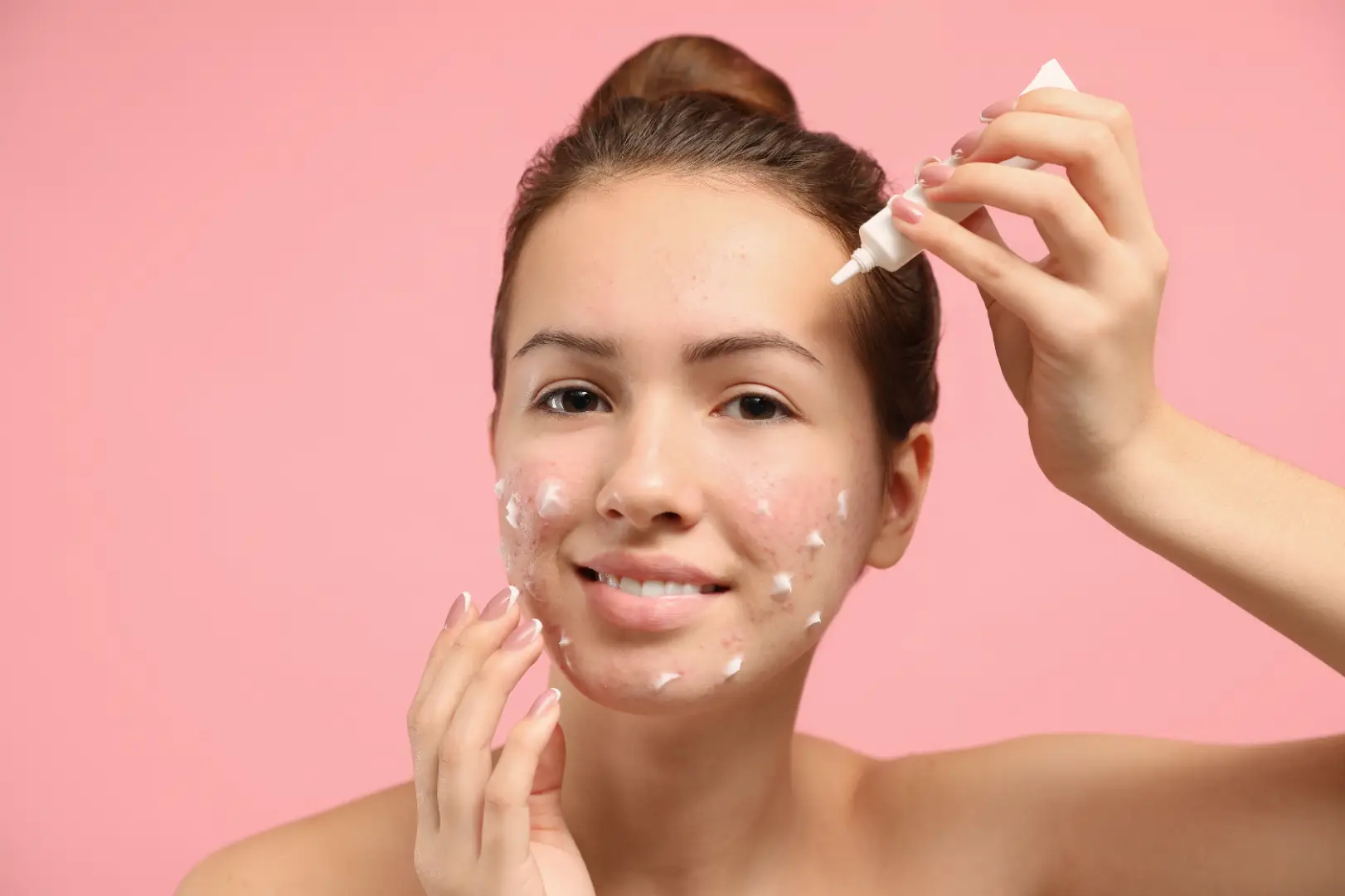
7. Acne and Rosacea Can Look Surprisingly Similar
Red bumps across the cheeks and nose are easy to mistake for conventional acne. Rosacea can sometimes produce inflammatory bumps and pustules, but its biology and treatment aren’t identical to acne. Traditional acne treatments can even be too irritating for certain rosacea-prone patients.
Laser or light treatment may help with the vascular redness associated with rosacea, but it isn’t necessarily the only treatment needed when inflammatory lesions are present. This is another reason diagnosis matters before pursuing a cosmetic procedure.
A patient may have visible vessels that respond well to energy-based treatment while needing a different strategy for inflammatory symptoms. Addressing each component individually can create a more thoughtful plan than expecting one procedure to fix everything.
8. Redness May Return Over Time
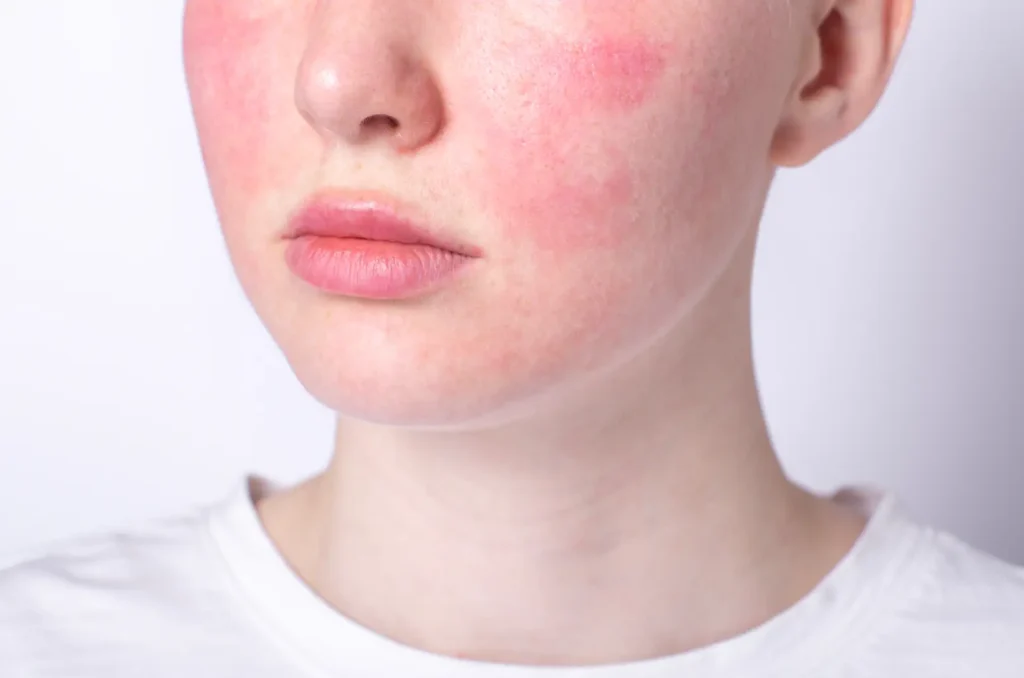
One of the most important things to understand about vascular treatment is that improvement doesn’t mean your skin can never develop redness again. Laser and light-based treatments can reduce targeted vessels. They cannot stop the biological processes that may cause new vessels or redness to develop in the future.
Rosacea remains a chronic condition. Sun exposure continues throughout life. Skin ages. Environmental triggers don’t disappear. For that reason, some patients benefit from maintenance treatments over time. How frequently they’re needed varies considerably.
Daily habits can also support treatment results. Consistent sunscreen, gentle skincare, trigger awareness, and avoiding unnecessary irritation can all play useful roles in managing a redness-prone complexion.
Calm Starts With Understanding
Facial redness becomes much easier to approach once you stop treating every flush, vessel, and irritated patch as the same problem. Rosacea, sun damage, broken capillaries, and reactive skin can overlap, yet each may call for a different strategy.
At Lumiere Laser in Greenwich, CT, patients can explore laser and light-based options based on what’s actually contributing to their redness. A personalized assessment can help determine whether treatment belongs in your plan and which approach makes sense for your skin.
When the source of the redness is understood, creating a calmer-looking complexion becomes much more precise. Contact us today to book your appointment!